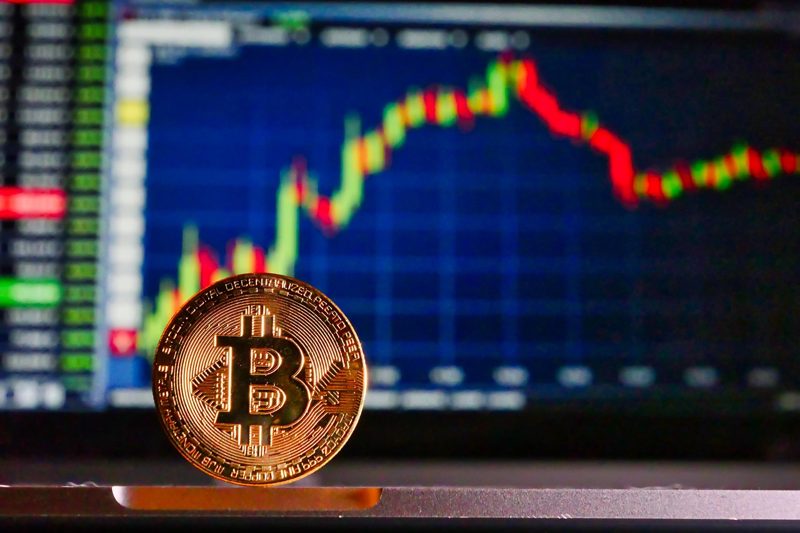
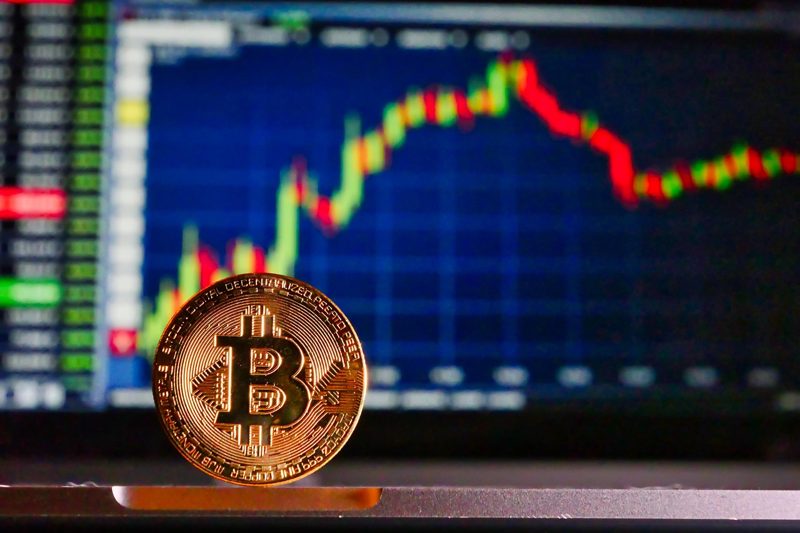
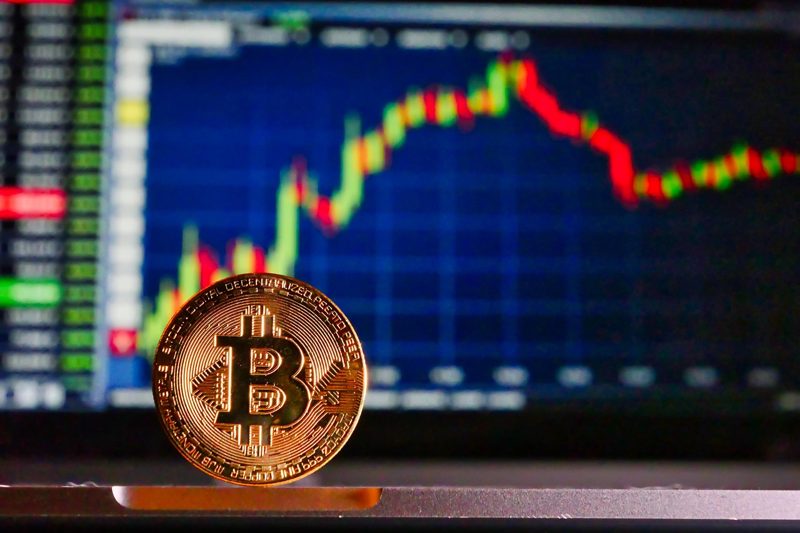
Bitcoin fell below $80,000 for the first time in a month after stronger-than-expected US inflation data, then recovered to about $82,000. Roughly $940 million to $1 billion in crypto positions were liquidated, with ether, XRP, solana and other altcoins falling harder, and Asian equities also sliding.
Why it matters A macro-driven deleveraging of this size resets positioning across the market and shows bitcoin now trades on inflation and Fed expectations as much as crypto news.
Ledger opened reservations for Atom, an $849 Android-based device that runs everyday apps alongside a secure chip and is slated for 2027 delivery, pitching it as tamper-resistant and sold only through its own site. The launch lands days after an attack in which tampered Ledger signers sold via reseller CryptoBilis drained about $86 million from more than 300 wallets by capturing recovery phrases at setup; Ledger blamed an organized crime group and has told resellers in Hong Kong and Southeast Asia to stop selling its devices.
Why it matters The attack struck the supply chain rather than the software, so the trust question now hangs over every reseller and every hardware wallet maker, not just Ledger.
Russia's central bank confirmed that direct crypto trades between individuals will be prohibited from July 1, 2027, with all trades routed through brokers or exchanges it approves; separate rules already block transfers from regulated accounts to self-custody wallets. The bank has also authorized Sberbank to exchange cryptocurrencies, with bitcoin-related products due in December.
Why it matters One of the largest crypto markets is being pushed entirely into state-supervised intermediaries, a template other regulators may copy.
September US CPI came in at 3.7%, above forecasts, pushing Treasury yields higher and dragging bitcoin down through $82,000 and later below $81,000. Crypto miners fell hardest, with TeraWulf, Core Scientific, Cipher Mining and IREN each losing more than 12%.
Why it matters Rate expectations, not crypto-specific news, are setting the tone for digital-asset prices right now, and the coming Fed meeting keeps that pressure on.
Ledger pulls wallets from resellers as tampered-device problem widens
Ledger has asked resellers and distributors in seven Asian markets plus Hong Kong to stop selling its devices after an unauthorized component in wallets sold by CryptoBilis leaked recovery phrases over cellular, and Germany's MediaMarkt Saturn halted sales after a customer found an implant. Trezor is cutting its own reseller list as a precaution; Ledger tells buyers of unused CryptoBilis wallets not to initialize them and to move funds from set-up devices to a new device with a new recovery phrase.
Why it matters Anyone buying a hardware wallet through a reseller now has to verify the supply chain, and the incident is testing the case for self-custody more broadly.
Anza has scheduled the mainnet activation for October 21, replacing the TowerBFT voting system in a single slot and targeting finality of about 150 milliseconds, down from 12.8 seconds, with vote transactions removed from blocks.
Why it matters It is the most consequential change to Solana's core consensus yet, and a live swap on mainnet carries execution risk for validators and users.
Ledger confirmed that signing devices sold by Southeast Asian reseller CryptoBilis contained an unauthorized component that captures the 24-word recovery phrase during setup and sends it over cellular, without touching the Secure Element; the confirmed drains so far all involve CryptoBilis-sold devices, and one incident has been put at $86 million. MediaMarkt has paused sales in Europe, Ledger has asked resellers in seven Asian markets including Hong Kong to clear shelves, and Trezor said it will strip some partners of reseller authorization from Jan. 1, 2027, while Mark Karpelès reports finding tampered devices from resellers in other regions.
Why it matters It breaks the assumption that buying a hardware wallet through an authorized retailer is safe, and it is reshaping how wallets are distributed.
Bitcoin climbs back toward $84,000 after a $800 million liquidation wave
Bitcoin recovered from a brief dip below $81,000 to trade near $83,000–$84,000, with crypto liquidations above $770 million, including $685.6 million in longs, and South Korea's KOSPI down 6% in an AI-related tech selloff. A comment by the Fed's Williams that he sees no rate hikes in 2027 helped lift prices as US equities rebounded from a lower open.
Why it matters Positioning is fragile: a single macro headline out of Korea or the Fed is now enough to trigger hundreds of millions in forced selling.
BNY and Citadel Securities use a tokenized Treasury in overnight repo
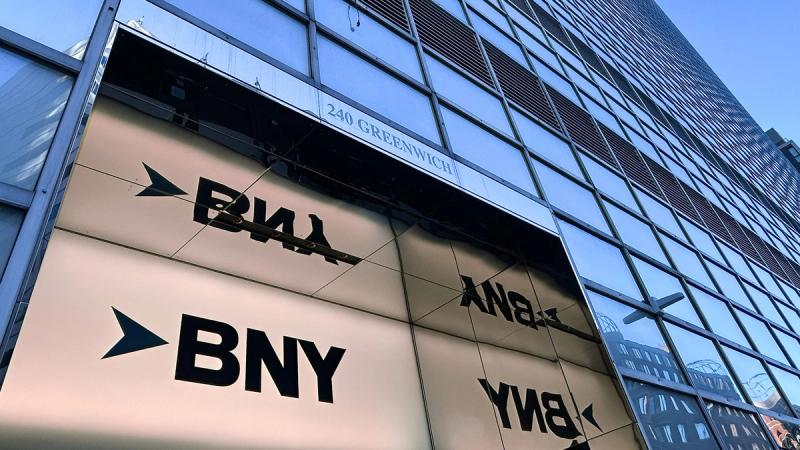
A two-year US Treasury note settled within minutes on BNY's private digital ledger and was then used by Citadel Securities to raise cash in an overnight repo transaction.
Why it matters It moves tokenized government debt out of pilots and into the plumbing of everyday Wall Street funding.