The first day of the Summit in Brussels closed without agreement on energy and the next seven-year budget, with differences remaining large and several governments questioning even whether an agreement is feasible by the end of 2026. Athens is seeking measures against high prices, protection of agricultural subsidies and fiscal flexibility, while Germany insists on cuts and the Commission intends to extend the temporary framework for state aid for affected industrial sectors.
Why it matters Decisions on energy and the Community budget determine energy costs, subsidies and national spending margins for the coming years.
IMF: Greece 'part of the solution', but with less momentum than the budget forecasts
Headshot of a man with grey hair and a moustacheImage: capital.grIllustration: A dense urban landscape with buildings and mountains in the backgroundIllustration: Pixabay · licence
IMF Managing Director Kristalina Georgieva stated that Greece is now part of the solution and not part of the problem, praising the course of the economy in recent years. However, the Fund's forecasts show growth with clearly less momentum than that described in the Draft Budget.
Why it matters The divergence between the two estimates affects assumptions for revenue and fiscal targets.
Kyriakos Mitsotakis walking past European flags on a red carpet outdoorsImage: newmoney.grIllustration: The European Commission's Berlaymont building in BrusselsIllustration: Pixabay · licence
The prime minister is asking the European Commission for greater fiscal flexibility, so that new support measures for households and businesses can be financed against energy prices, an issue on the table at the Summit. The Summit is also discussing the new EU budget and Ukraine, with countries seeking a compromise.
Why it matters Whether flexibility is granted will determine if Athens can finance additional support measures without overshooting its fiscal targets.
September US inflation data showed a new increase, strengthening the dollar and expectations for continued interest rate hikes. All three main Wall Street indexes fell amid a sell-off in artificial intelligence stocks, while US bond yields, which are at 24-year highs, moved lower after an initial rise.
Why it matters US markets and interest rates affect borrowing costs and risk appetite in Greece as well.
Jumbo: the transition to MSCI is the bet, purchases by Sofia Vakakou
Jumbo's share remains near recent records, with successive purchases of shares by Sofia Vakakou acting supportively. In the spotlight is the transition to developed markets in May 2027 and the capitalization and free float criteria.
Why it matters Inclusion in international indexes can bring foreign capital into the stock and change the company's position.
The government announces today a package for fuels, with the heating allowance increased by 30% and amounts from 130 to 1,560 euros per beneficiary, as well as a subsidy at the pump for oil at close to 1.60 euros per liter. Despite the measures, from October 15 heating oil is expected to be the most expensive in modern Greek history, while a price close to 1.50 euros and an extension of fuel subsidies are on the table.
Why it matters It directly concerns the heating cost of hundreds of thousands of households and the level of state support ahead of winter.
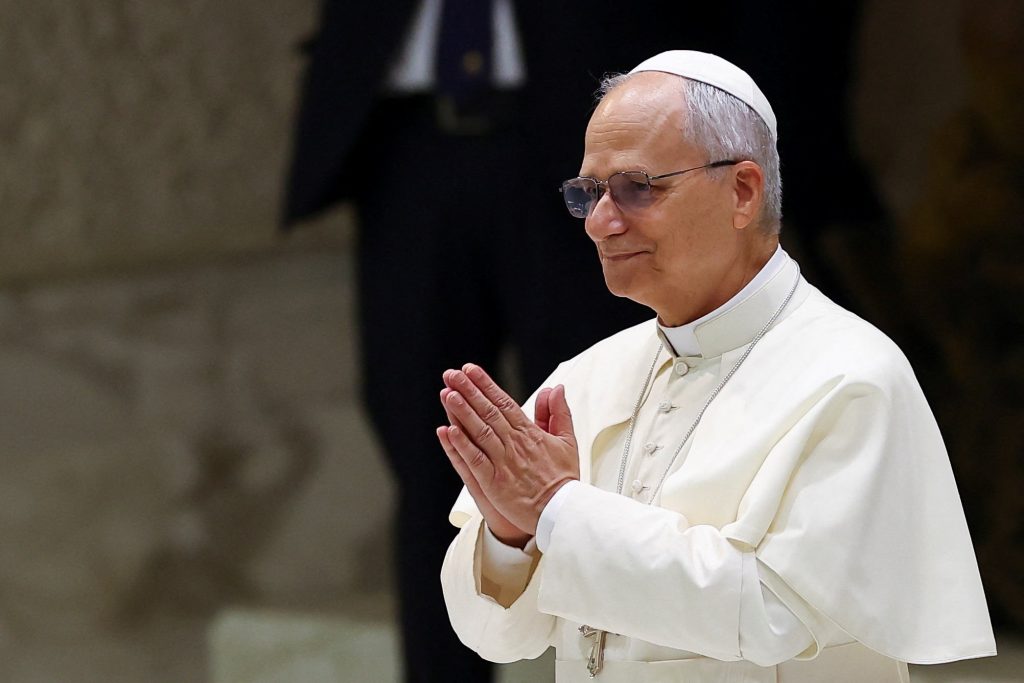
The Vatican announced that the pope was diagnosed with adenocarcinoma in the lung and underwent surgery during which part of the right lobe was removed. The surgery was successful, while the suspicion existed from tests before the surgery.
Why it matters It concerns the health of the head of the Catholic Church, a fact with broader ecclesiastical and political ramifications.
Bond yields at multi-decade highs and central banks' hesitation on interest rates
Swaps price a global interest rate hiking cycle over the next 12 months, with yields at multi-decade highs in the US, Europe and Japan, while the Fed chair and other officials hinted that increases may not be needed as much as expected. JPMorgan's Dimon warned that an additional increase of 1 percentage point would intensify pressure on the US economy.
Why it matters Yields and interest rate expectations determine the borrowing cost for households, businesses and states.