JAXA is getting ready to launch its Martian Moons eXploration spacecraft early next week; it will collect samples from Phobos and carries two instruments supplied by NASA. The mission aims to work out the origin of Phobos and Deimos.
Why it matters If it succeeds it would be the first sample return from a Martian moon, testing competing ideas about how those moons formed.
Carbon composite trouble pushes Neutron's first flight into 2027
Rocket Lab has delayed the debut of its Neutron rocket once more, to no earlier than 2027, after problems manufacturing carbon fibre parts. The company announced the vehicle in 2021 with a first flight planned for 2024.
Why it matters Neutron is Rocket Lab's attempt to move up into the medium-lift market, and each slip leaves that market to competitors for longer.
Analysis backs Artemis II heat shield performance
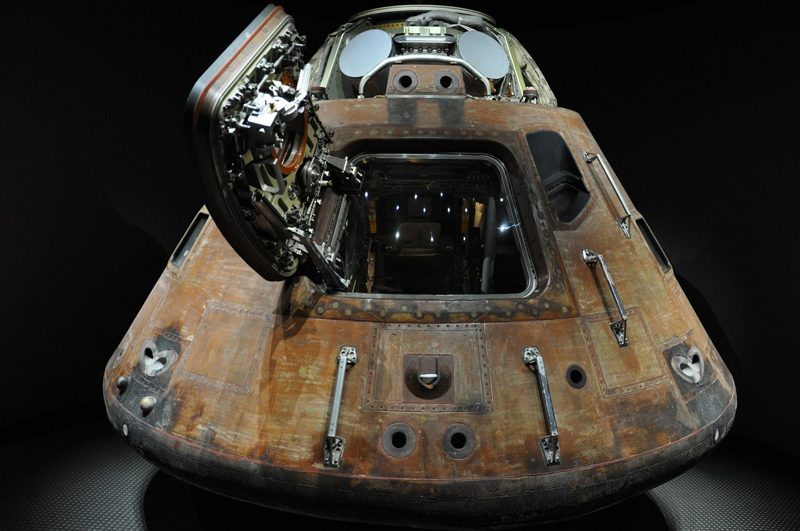
The Artemis II heat shield during performance analysis preparationsImage: phys.orgIllustration: A well-worn space capsule with its hatch openIllustration: Pixabay · licence
NASA says a thorough analysis confirms the heat shield that carried four Artemis II astronauts around the moon and back performed as required. The agency describes the result as a foundation for crewed flights to the lunar surface.
Why it matters The heat shield was the main safety question hanging over the programme, so a clean verdict keeps NASA's path to a crewed landing open.
NASA says it will give an update on Oct. 23 on its plan to return astronauts to the Moon by 2028, including details about Artemis III. In parallel, teams have finished stacking both solid rocket boosters and installing all four RS-25 engines for the Artemis III SLS and are preparing a short stack for a pad tanking test.
Why it matters The briefing and the hardware milestones are the clearest signal yet of whether NASA's compressed lunar timeline is holding.
Europe's Hera probe closes in on the asteroid pair DART struck
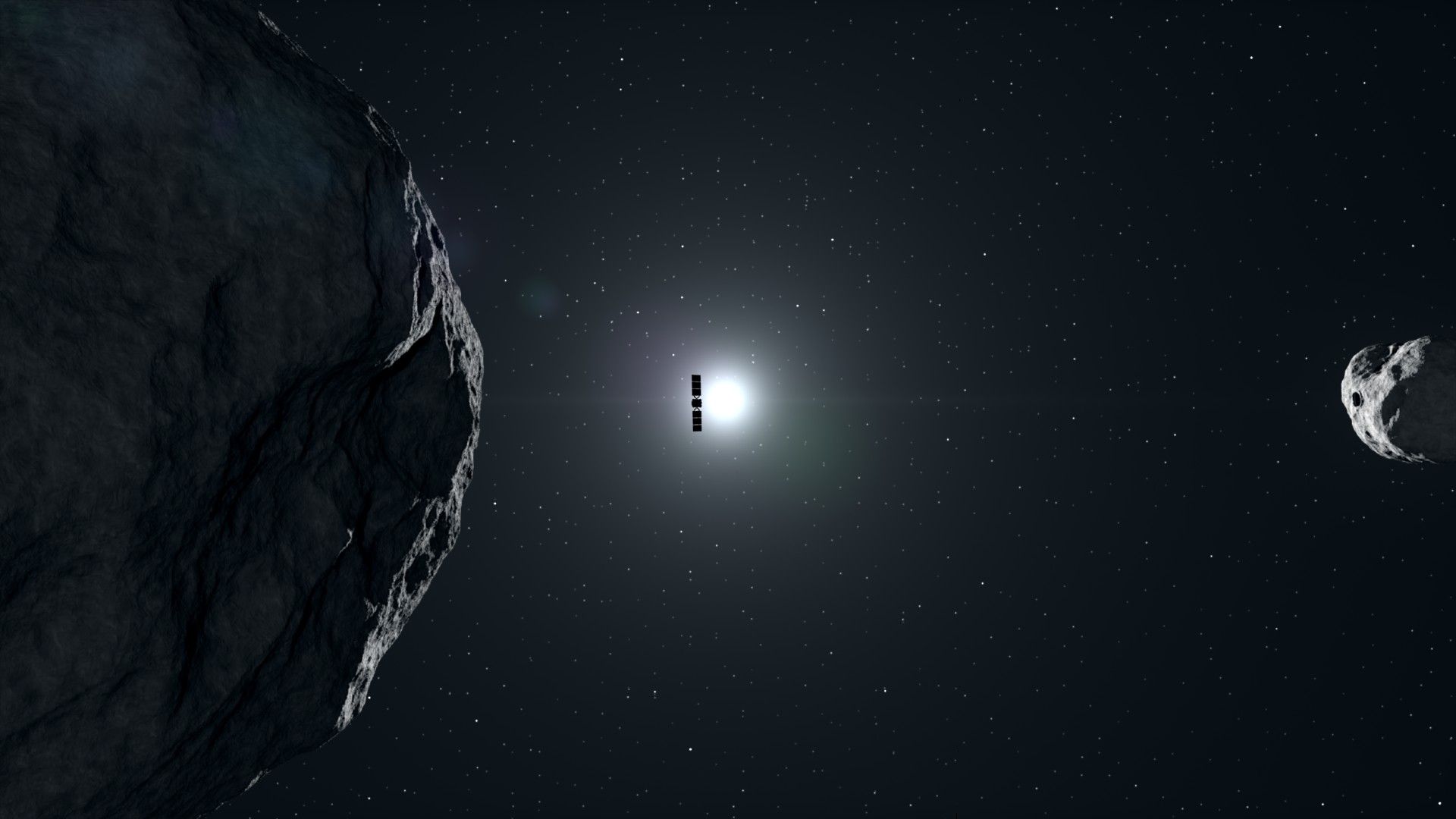
Cube-shaped spacecraft floats past two cratered irregular rocksImage: space.comIllustration: Two planets and several asteroids floating in outer spaceIllustration: Pixabay · licence
The European Space Agency's Hera spacecraft is approaching the binary asteroid system Dimorphos and Didymos to survey the aftermath of NASA's 2022 DART impact, which slammed into the smaller body. The mission will examine the collision's crater and debris.
Why it matters Hera's survey will show whether the first test of asteroid deflection worked as intended, informing future planetary-defence planning.
First recovered Starship upper stage returns to Starbase
Illustration of a city on Mars with four white spaceshipsImage: space.comIllustration: A space shuttle launching into the sky with massive smoke plumesIllustration: Pixabay · licence
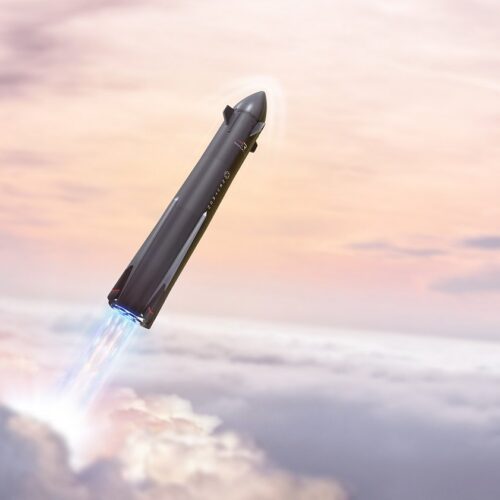
SpaceX's Ship 40, the Starship second stage that unexpectedly survived splashdown in the Indian Ocean in July during Integrated Flight Test-13, is back at Starbase in Texas, where engineers will study the first recovered Starship upper stage for clues to reusability. The milestone comes a decade after Elon Musk publicly unveiled plans for a fully reusable megarocket.
Why it matters Recovering and inspecting an intact upper stage is a concrete step toward SpaceX's goal of fully reusable launch vehicles.
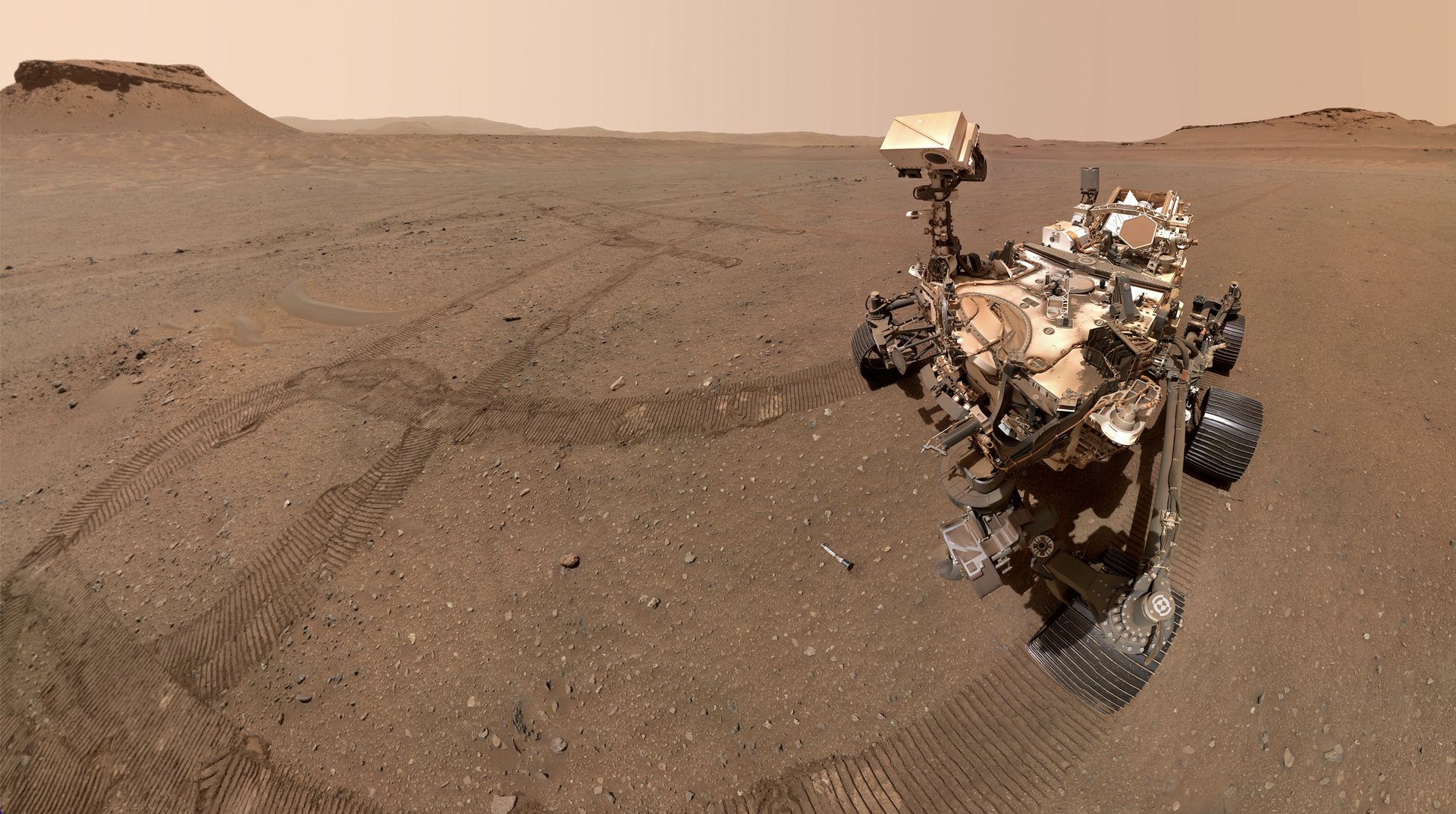
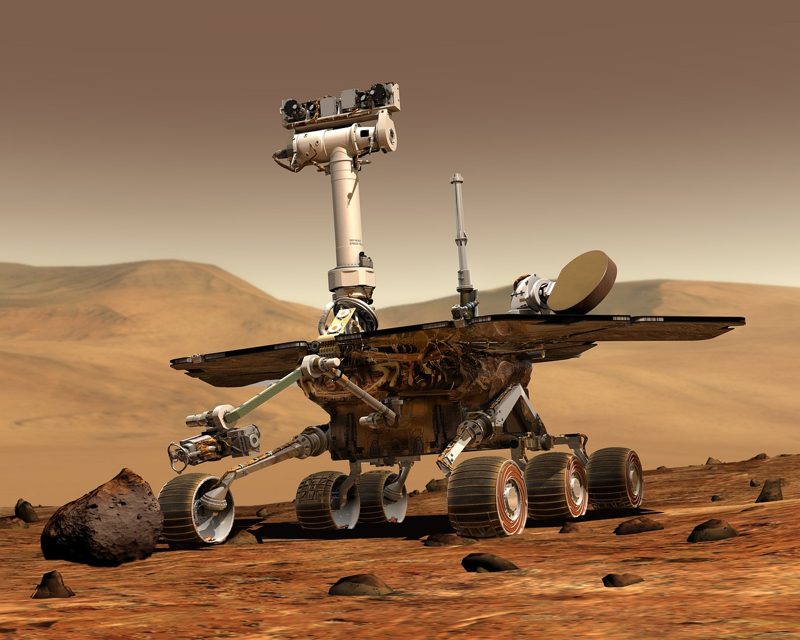
NASA's Perseverance rover has driven farther on Mars than any vehicle on another planet, overtaking Opportunity. The record fell during a 91.31-metre drive on 11 October 2026, the mission's 2,006th sol, and the team has a Guinness World Records certificate marking it.
Why it matters The distance record is largely symbolic, but it reflects how rover mobility has extended what Mars missions can survey; Perseverance and Curiosity are the only rovers still driving.
SpaceX flies 35th cargo run to ISS with final solar arrays
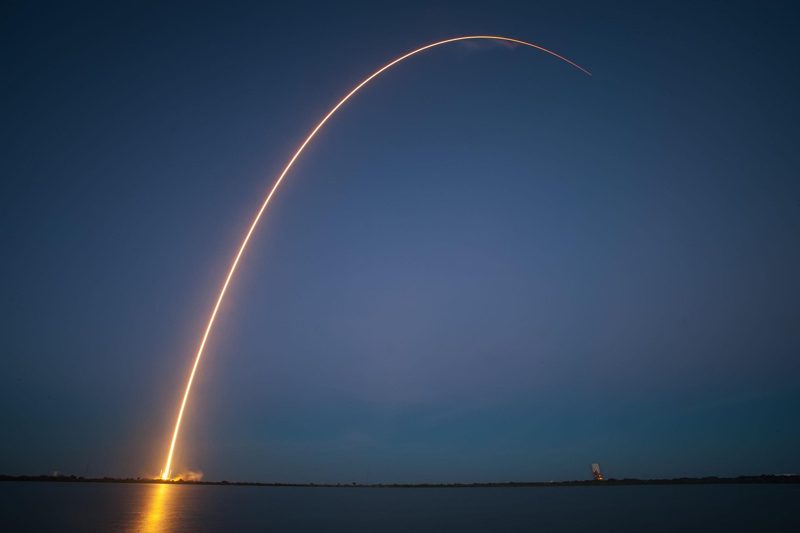
A Falcon 9 lifted off from Cape Canaveral at 6:33 a.m. EDT on 13 October carrying more than 6,300 pounds of supplies and hardware for the International Space Station, with Dragon due to arrive after a two-day flight. The payload includes the last iROSA solar arrays and experiments on human and plant health.
Why it matters The final iROSA arrays round out the station's power upgrade, and the health research feeds into planning for long-duration missions.
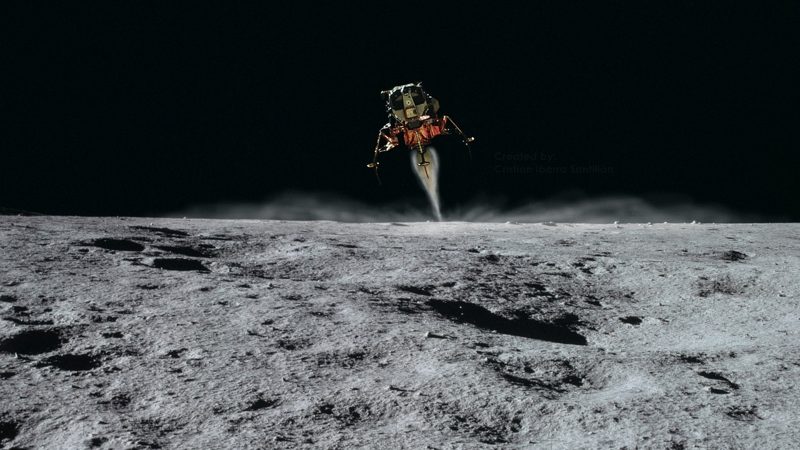
The Griffin Mission One lunar lander completed nearly three months of environmental testing at NASA's Jet Propulsion Laboratory, simulating vacuum, temperature extremes and the vibration and noise of launch. The company says the spacecraft is ready for the trip to the Moon and landing.
Why it matters Griffin-1 is positioned as part of NASA's push toward a lunar outpost, so its readiness matters for that schedule; no launch date is given here.